A valve can leave the factory in perfect condition and still arrive wrong: the wrong size picked, a flange face knocked in transit, a handle bent in the truck. Five minutes at the gate saves days later.
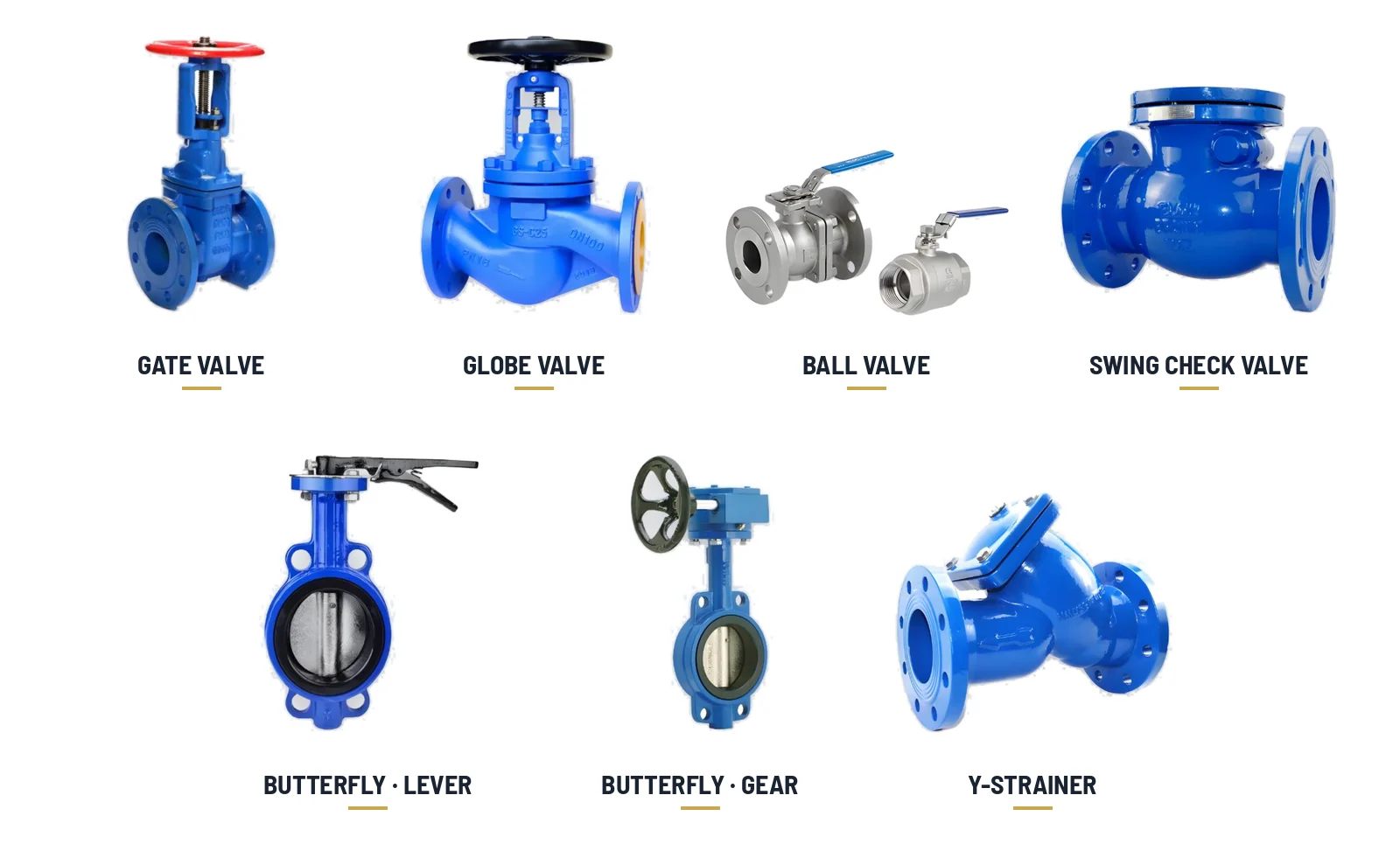
The five checks
- Read the body marking. Size, class or PN, and material should match your order. On a cast valve these are cast into the body, for example 2 · 150 · CF8M with a flow arrow. Check the arrow too: a check valve installed backwards won't open.
- Check the flange faces. Look for dents and deep scratches across the raised face. A radial scratch is a leak path that no gasket will seal.
- Operate it through its full travel. Move the lever or handwheel from fully open to fully closed. It should move smoothly. Don't force it; a stiff valve should be reported, not muscled.
- Inspect the casting and paint. Look for cracks, holes, porosity and impact damage. On cast iron, a crack is a reject: the material is brittle and cracks grow.
- Match the certificate to the valve in your hands. The certificate of quality and testing, or the 3.1 certificate, should name the same size, class, material and heat or serial number as the valve.
If something fails
- Don't install it.
- Take a photo of the problem and the marking the same day.
- Keep the packaging and end caps.
- Tell your supplier before you sign the delivery note, or note the problem on it.
The earlier a problem is reported, the faster it is resolved.
Our commitment
Found a problem with something you bought from us? Send us a photo on WhatsApp the same day and we will sort it out.